
There are times that, despite being diagnosed by more than one professional, I don’t believe I’m AuDHD.
I’m just lazy. Flaky. Wanting an excuse.
Then I do things like start a 28-day project one night when I can’t sleep. And spend another hour creating a Notion database to track it in. Then come here to write about it.
Well, well, well, if that ain’t some classic neurodivergent type shit that’ll challenge the hell out of the bitchy voices of my past and their “you’re making it up” crap.
My current goal? Growing a daily sketchbook habit. And it’s funny that I came across the idea of 28-day projects on Skillshare when I did.
Because when I decided my project would be to interact with my sketchbook daily, what did I see?
I was working in my sketchbook daily exactly one year ago and just kind of…stopped.
Why did I stop? I honestly can’t say. But if I had to guess, it was a combination of my ongoing health issues draining the hell out of me, plus my never-ending need to flagellate myself about how art is a waste of time.
But again, those voices are not me. They’re past teachers, relatives, and the various other people who destroyed my self-esteem and failed to support me throughout my life.
I’ve let those voices have a seat at my brain table for too long. And during this 28-day project, I intend to kick them out for good.

What’s a 28-day project?
A 28-day project is a short, repeatable framework where you choose one thing to focus on and work on it every day in small, manageable steps.
The idea is to pick something to focus on for the next four weeks. It could be a skill you want to develop, a habit you want to form, or just something you want to try out in a low-pressure way.
It’s not a giant makeover or a hardcore challenge. Rather, it’s a small commitment to yourself that fits into your everyday life. (Including brain-fart days, tired days, and busy ones, too).
28-day projects work because they cut down on overwhelm, reduce resistance to starting, and build momentum through consistency.
They also include check-ins throughout the process so you can see what’s working and make adjustments, rather than getting frustrated and quitting.
It helps you stop feeling like a person who thinks or talks about doing things and become one who does them.
Also, 28-day projects are repeatable. You can do one every month, and you’ll start to learn things about your habits, energy, and patterns you can apply to other areas of your life.

How I learned about the 28-day project framework
As a serial taker of Skillshare courses, I’ve built up quite a list of favorite teachers.
One of my go-tos is Rich Armstrong, a, as he puts it, “multi-hyphenate artist and creative coach.”
I like Rich’s playful, experimental, and encouraging teaching style, and I’ll pretty much take any course he releases. His classes come with resources I use long after the course is over, and he teaches in a way that’s inspiring without making me feel like I’m already behind.
I learned about the 28 Day framework from Rich’s course, The 28 Day Project: Make Progress on What Matters.
And the class found me at the right time, because I’ve been dealing with a serious case of overwhelm and wanting to do everything all at once.
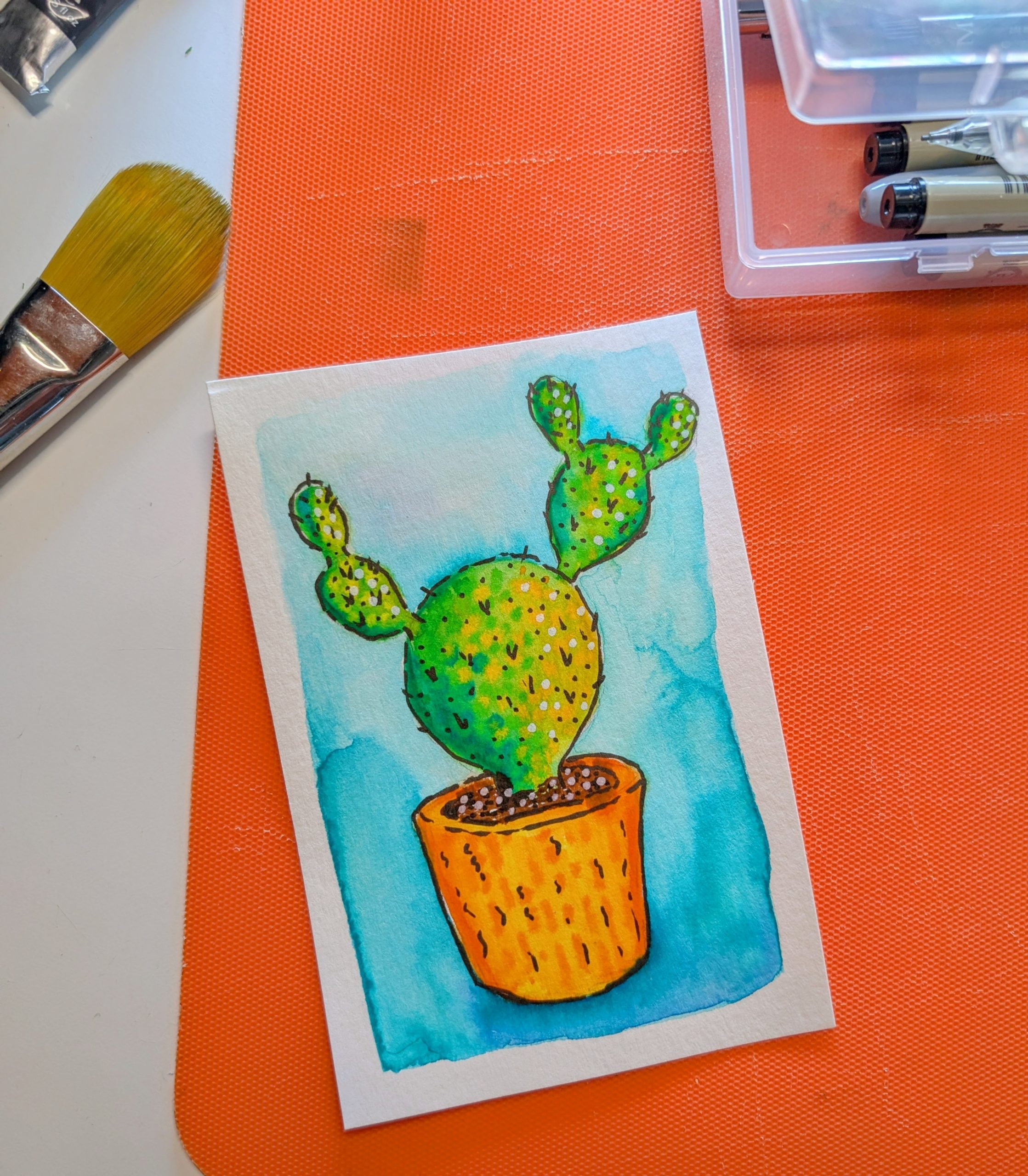
Why I picked a daily sketchbook habit for my 28-day project
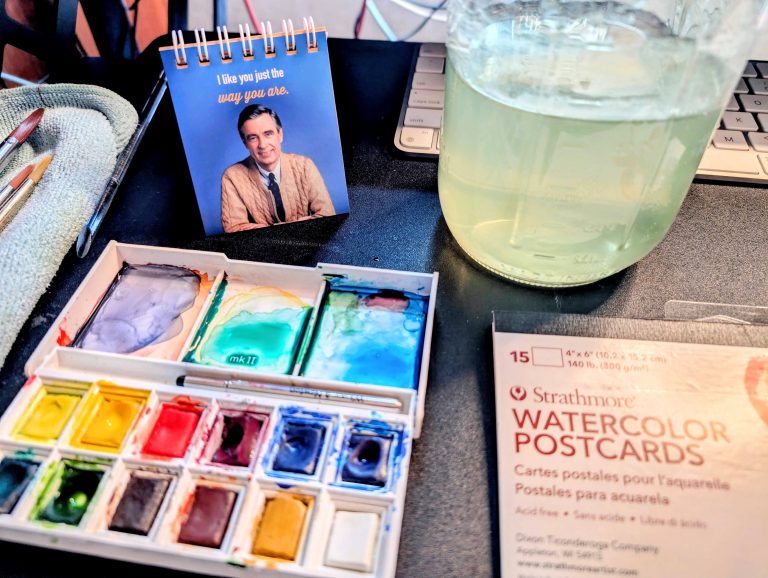
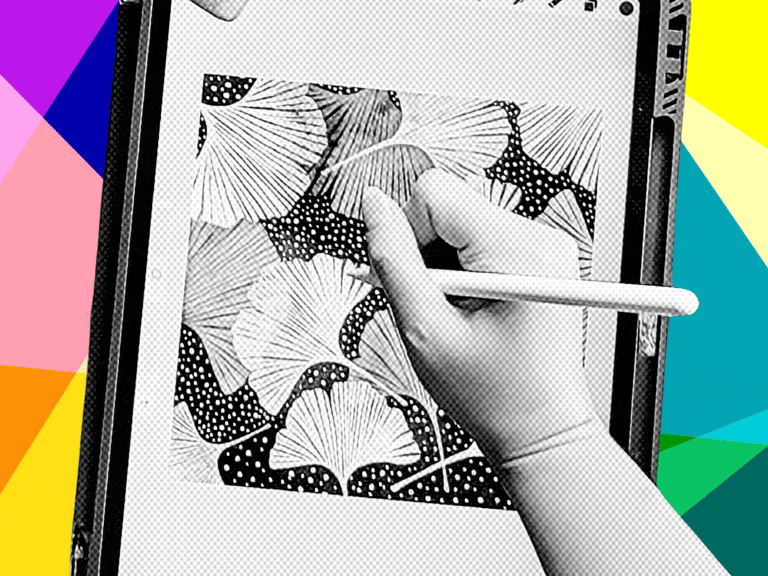
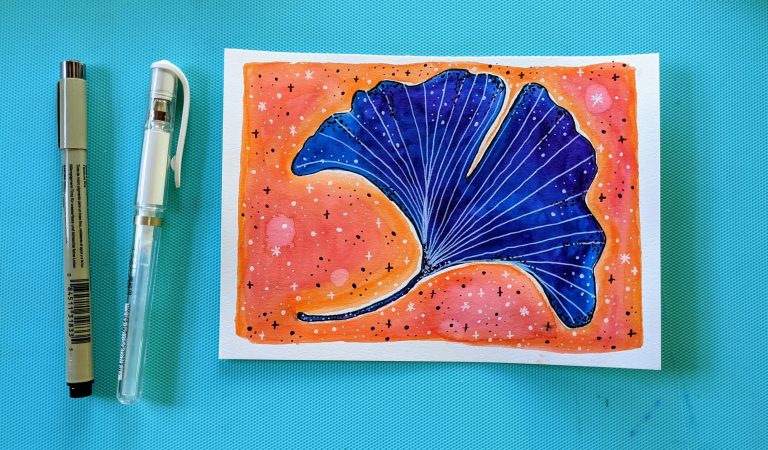
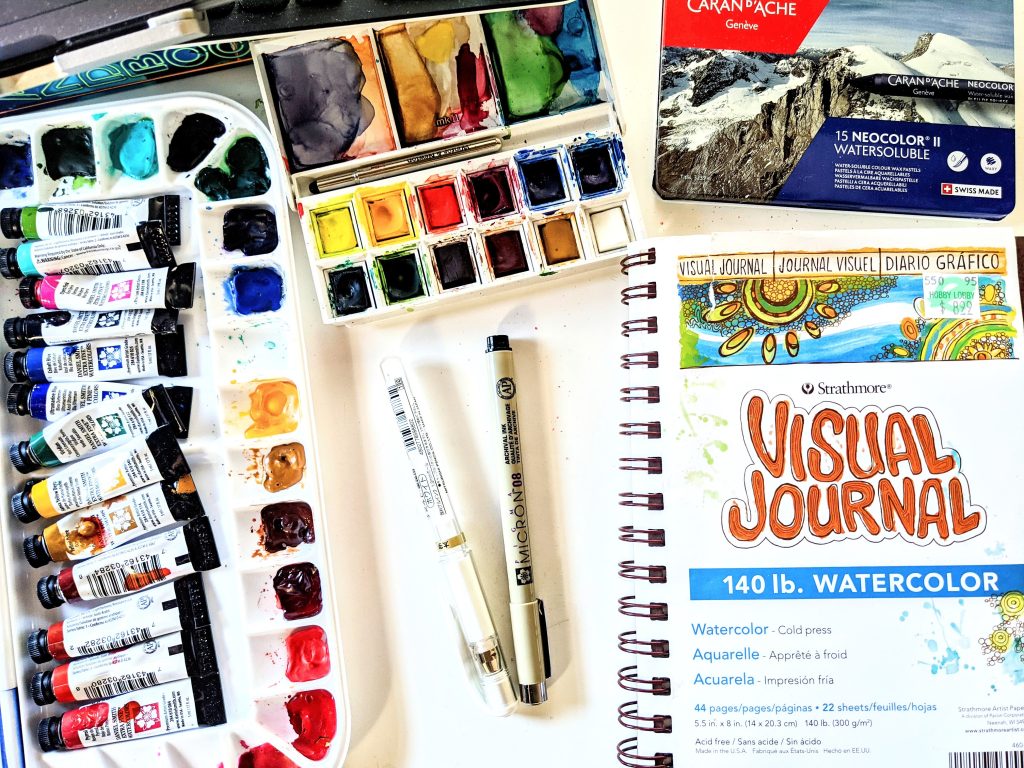
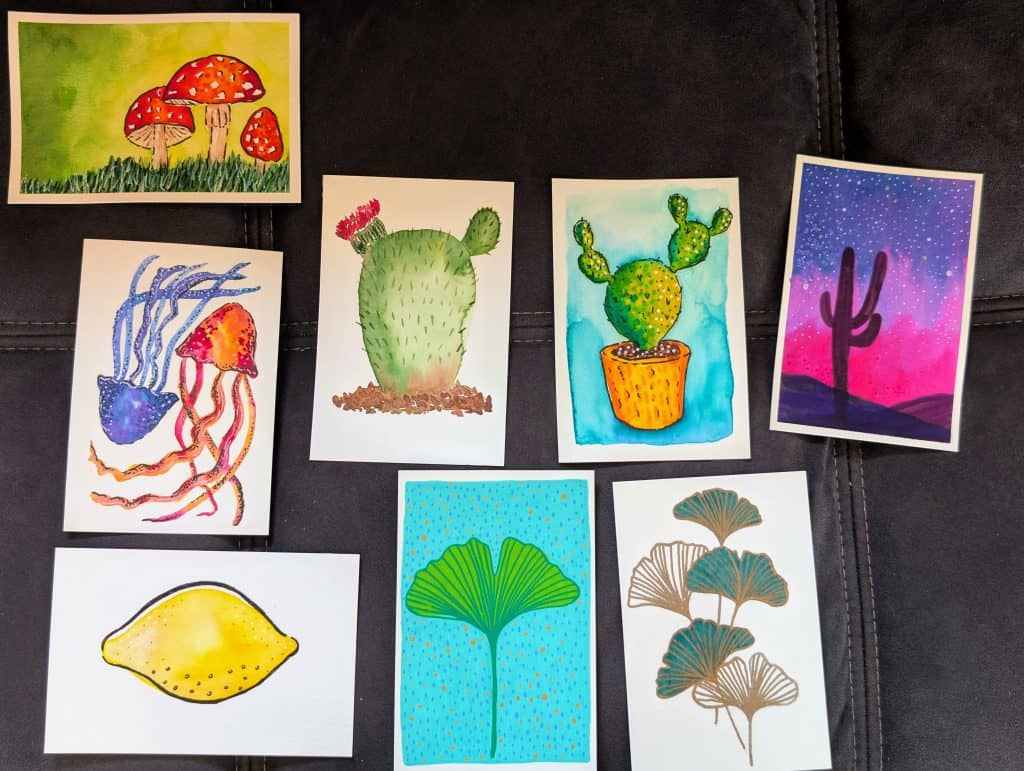
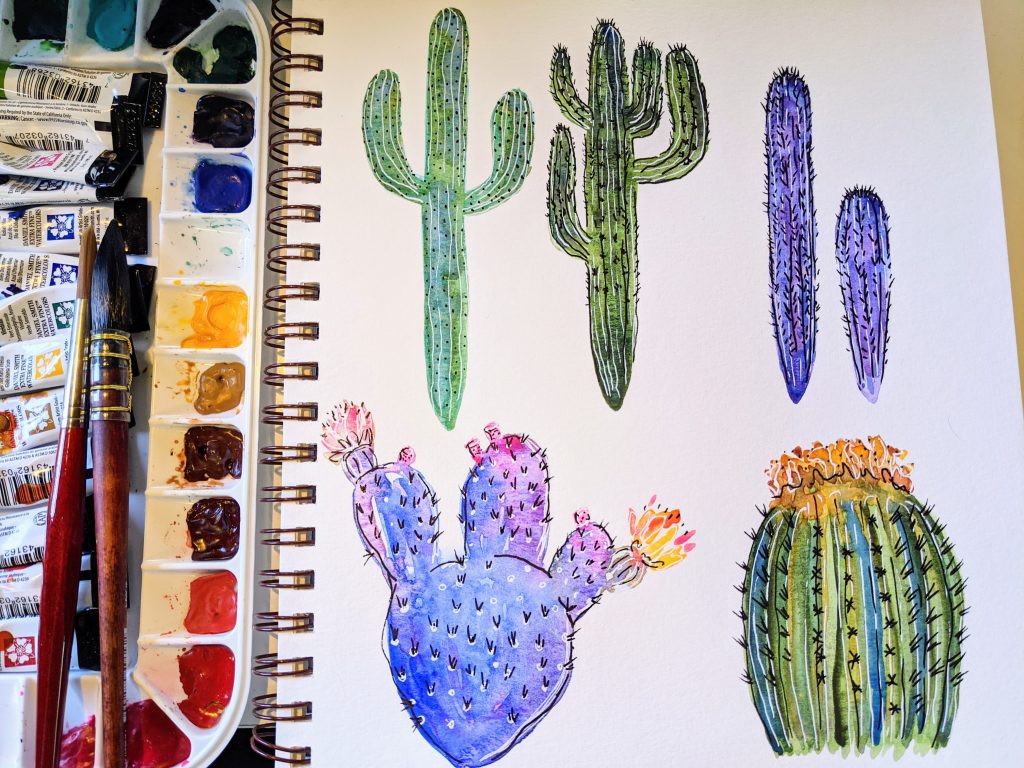
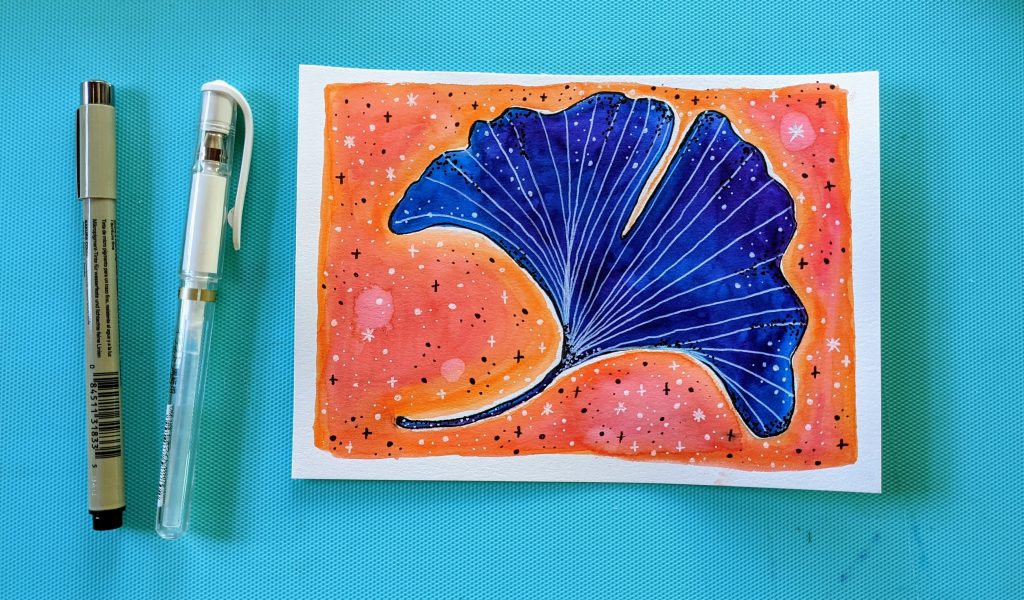
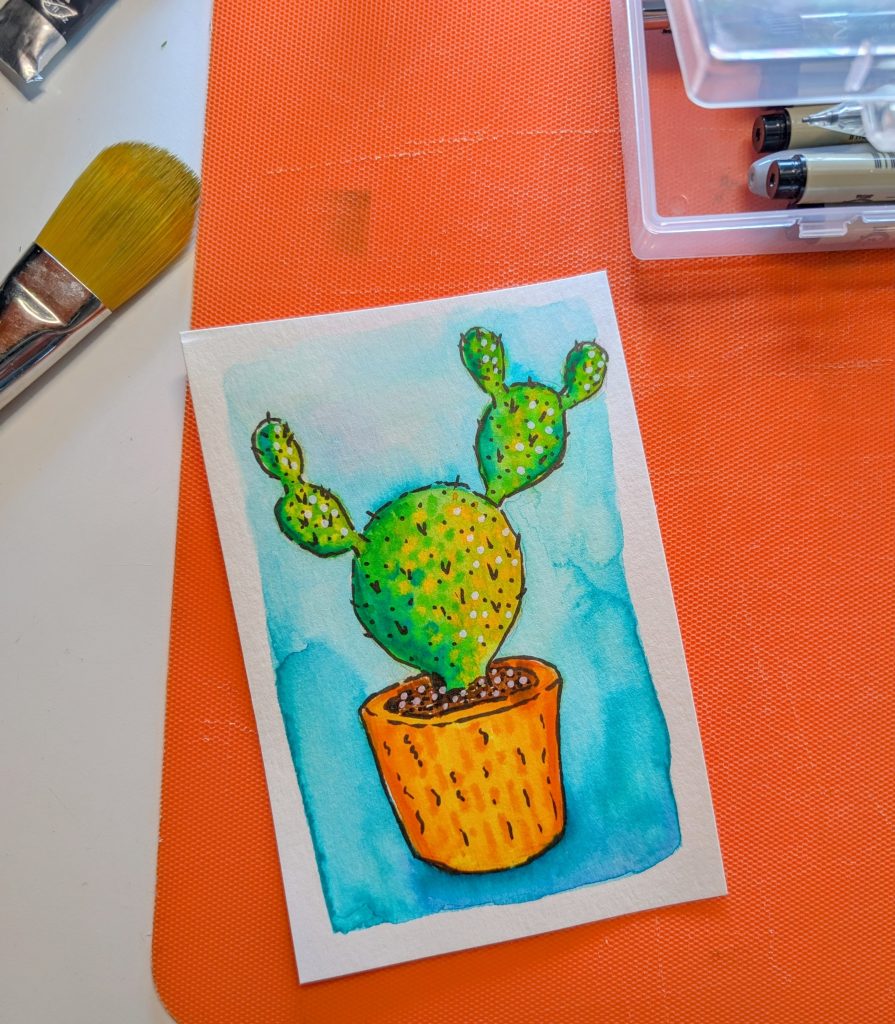
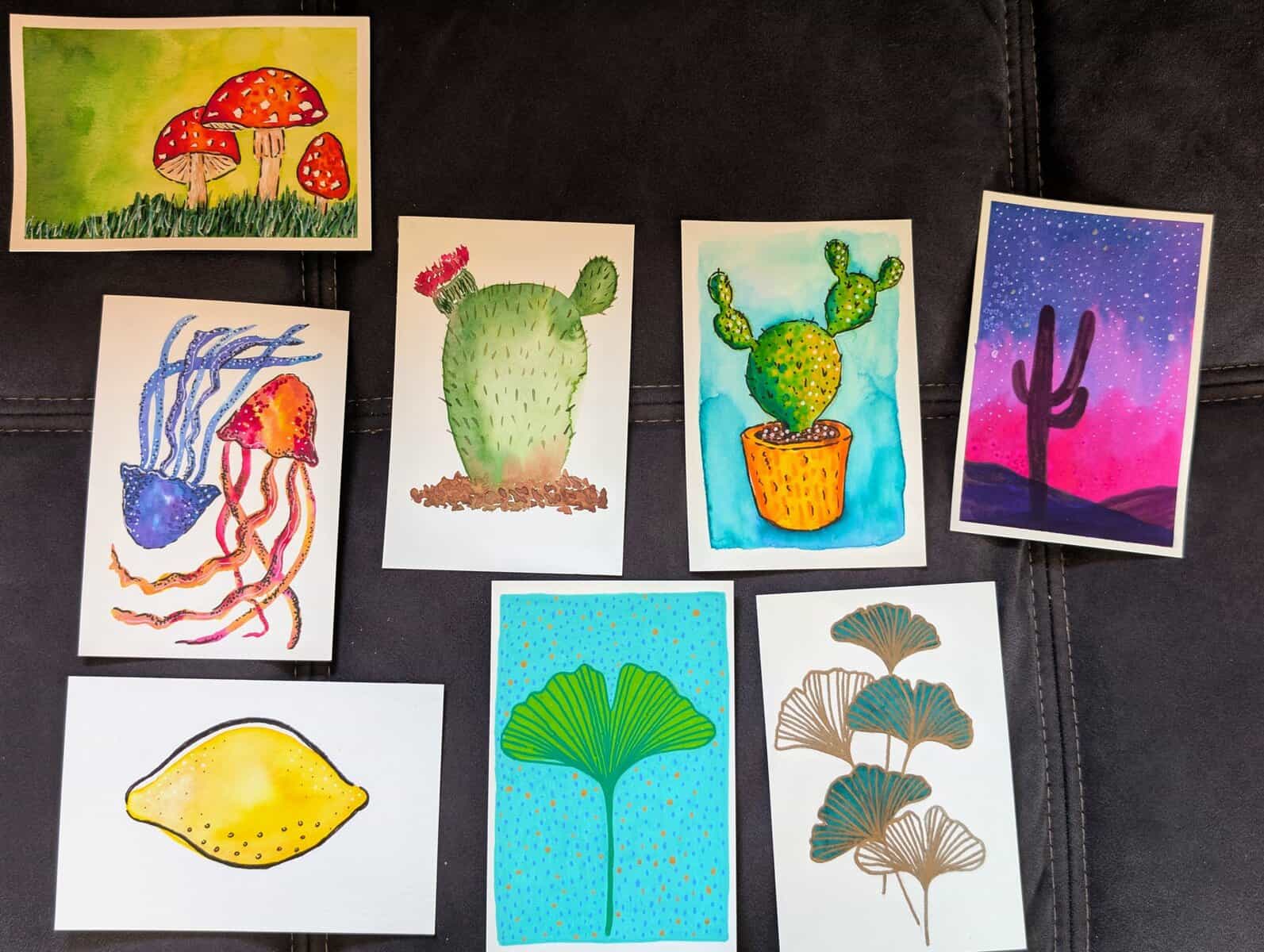
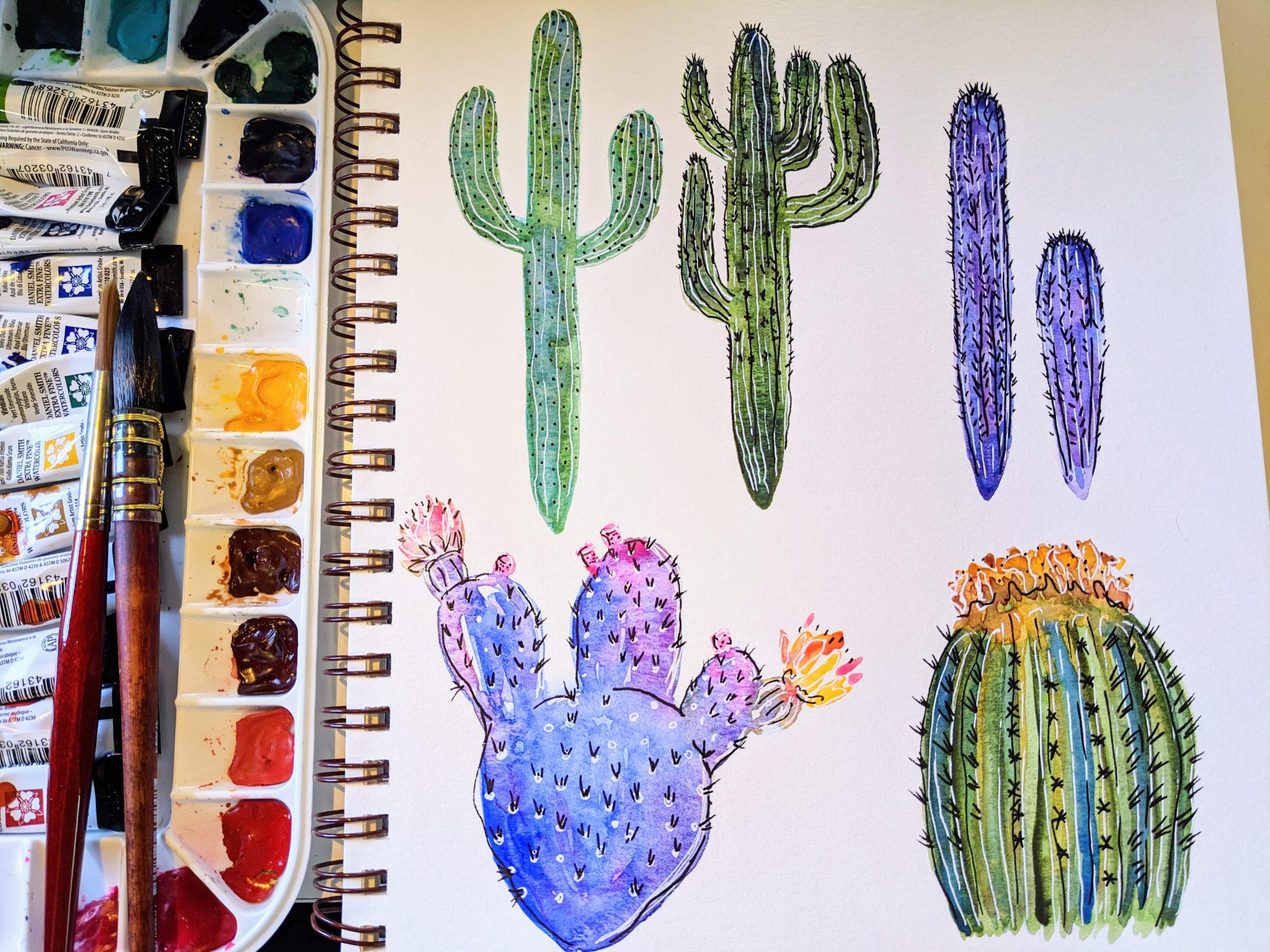
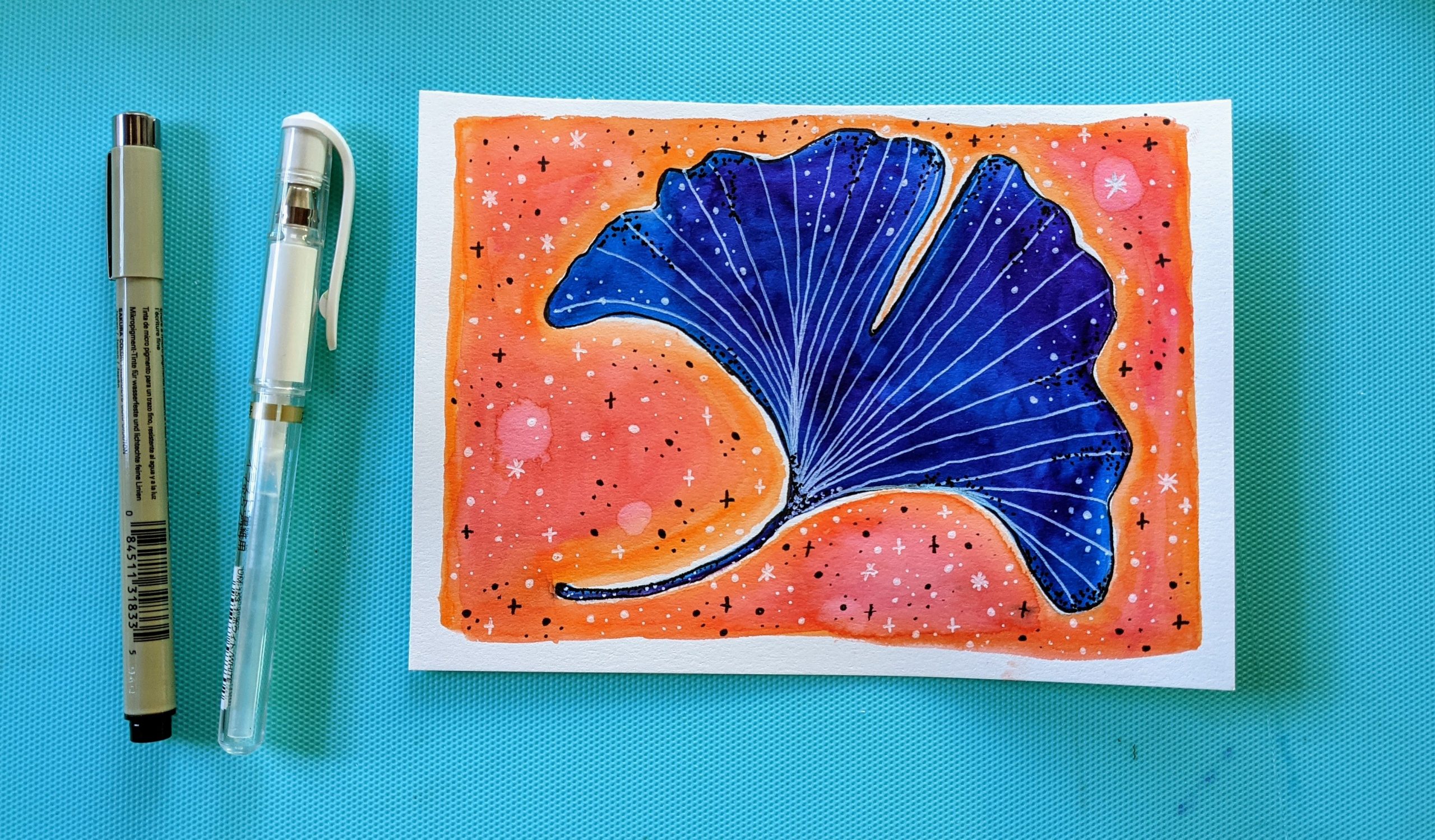
Every day for the next 28 days, I will draw or paint in my sketchbook for 30 minutes while I’m drinking my coffee in the morning, using whichever medium is calling to me (Procreate app counts).
I chose to work in my sketchbook daily as my project because I feel better when I write and create art consistently.
But I’ll be damned if I can stick to it. I get wrapped up in rigid, perfectionistic thinking, and most of what I make never sees the light of day.
Creating art and writing are like breathing to me. So I guess it’s no surprise I feel like I’m suffocating when I go for long periods without expressing myself.
I’ve learned I need to gently move myself toward being more of a sender and adopting a “done is better than perfect” mindset.
Because trying to perfect one piece only teaches you how to perfect one piece. But sending 50 imperfect things before they’re perfect could teach you 50 different things.
A daily sketchbook habit is fundamentally a shipping habit. I make something, I move on, I make the next one. It doesn’t have to be good, and if it’s bad, it doesn’t matter. It just has to be done.
Day 10 project check-in
I’m on day 10 of my project, so I’ve been through my first check-in. Things I’ve noticed?
There’s a shitload of resistance. And it’s difficult to get myself in a play mindset where drawing and painting feel fun, not like something I have to do.
But as I work with resistance by my side, being kind and gentle to myself, I do feel its grip on the wheel loosening as I interact with my art supplies regularly.
I don’t like when people comment on the art in my sketchbook, even when it’s positive. I’m working hard not to judge my sketchbook art as good or bad, and those comments make my fight against the inner critic even harder.
Originally, I paired the project with drinking my morning coffee, but chaining those habits hasn’t worked. It seems my time to shine is mid-morning or early afternoon.
Tracking the project in Notion
Building a tracker in Notion has been a great way to monitor my project on the fly.
I added columns for the subject of my artwork, a checkbox to mark each day done, an energy log, a place to upload a photo of the art, and a progress bar to show me how far I’ve made it into the project.
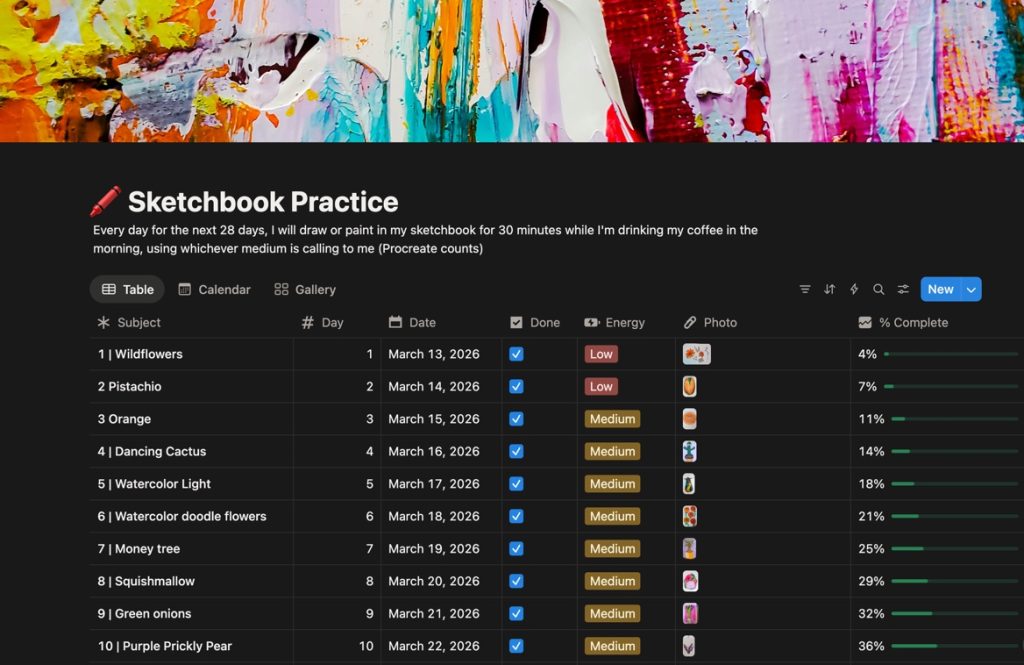
I take the time each day to write a few notes on how it went, then do a bigger weekly check-in to adjust anything that’s creating roadblocks.
Watching the progress bar fill up is more motivating than I expected. But the real value is in the energy log.
I’m starting to see patterns in when I have capacity and when I don’t, which mediums I reach for on low-energy days versus high ones, and how resistance behaves differently depending on the time of day.
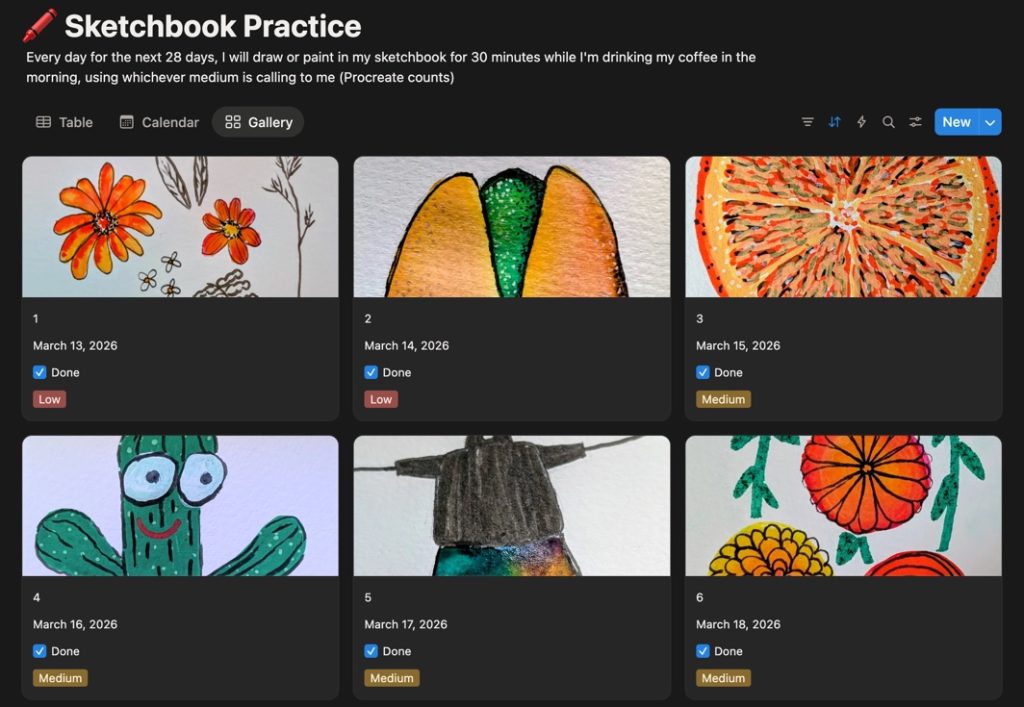
The tracker isn’t just a record of what I made. It’s a map for moving through resistance. When I can see that I drew something three days in a row, even when I didn’t feel like it, the inner critic has less ammunition.
I’m not even halfway through this project. But I can already see how it’s benefiting me.
I know more about how my brain functions at 6 a.m. versus 3 p.m. I know that chaining a new habit to drinking coffee doesn’t work.
I know that positive comments on my sketchbook art give the inner critic more to work with, not less, and I wouldn’t have figured that out without tracking it.
I started this project because I stopped drawing a year ago and couldn’t tell you why. I still can’t. But I’m drawing again, and I’m learning things about my own patterns that I’d never have noticed if I’d white-knuckled my way through “draw every day” without a framework around it.
So, what say ye? Would you try a 28-day project, or does the idea of committing to something for four weeks make your eye twitch?
When my brain does this, I use that
If your brain runs 12 tabs and forgets what it opened the first one for, this free guide is for you. I’m AuDHD and these are the 10 tools I use every day.
Browser extensions, apps, and websites that work with a neurodivergent brain instead of against it.